cricket’s shrill
invades the night,
a toad burps
© Tournesol’14
Poetry ~ Waka


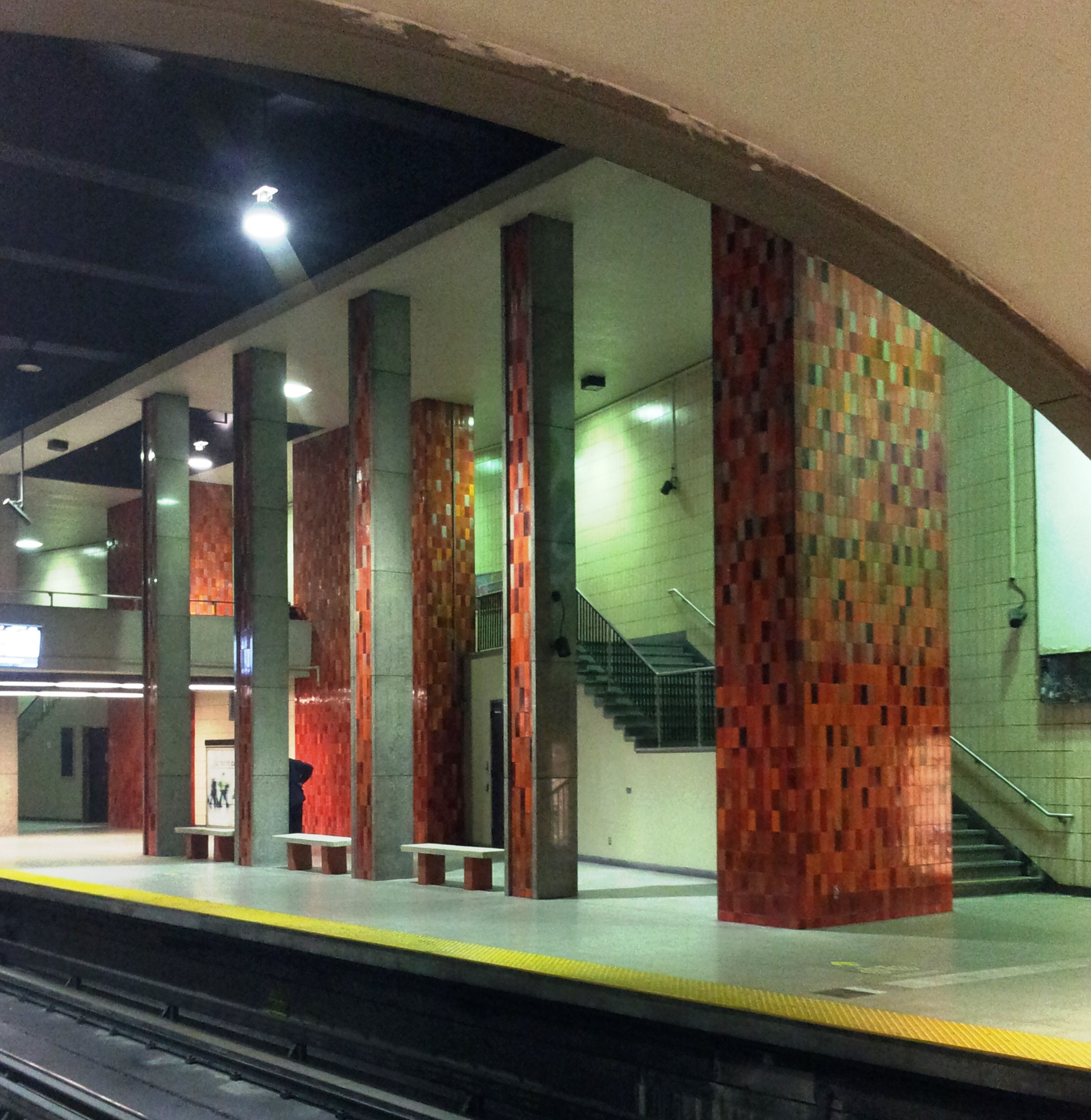
at the subway
beggar pleads each commuter,
never loses hope
au métro
mendiant plaide chaque passager
ne perd jamais espoir
~
autumn gusts rip
through a day`s hard labour,
spider spins anew
© Tournesol’14
takes his cue on stage,
audience murmurs solemnly
Serenity Prayer
~
beggar mutters
daily mantra um-teem times
holding out his cup
© Tournesol ’14
Thinking of my friend this week…
her sobs echo
across the Atlantic
a long journey
Caspian Sea and
Arabian Gulf imbibe
salty tears
the skies rumble
iridescent light,
safe passage
pain free at last
an angel stands by, waiting
in white light
heavens whisper
the last chapter,
Rumi stirs
© Tournesol ‘14
*******************************
Don’t run away from grief , o soul
Look for the remedy inside the pain.
because the rose came from the thorn
and the ruby came from a stone.
© Rumi


We seem to be in the spirit of death, being in the middle of autumn, approaching Halloween and all Saint`s Day November 1st; we also call this month in French, le mois des morts (month of the dead). November 11th, being rememberance day where we pay tribute to all the soldiers who gave their lives for their country and for world peace. And so I continue on remembering another great man…my grandfather, when he died in his home, Princess, his old mongrel (spaniel mix) went down to the basement and howled grieving for her master. She stayed there for a week in mourning.
la mort d’un grand homme – Grandpapa
pinson est muet
dernier souffle du maître,
vieux chien hurle
death of a great man – Grandfather
blue-finch falls silent
master’s last breath,
old dog howls
© Tournesol ’14


dam released
roaring river waters
white mist sprays
© Tournesol ’14
freedom at last
hot summer night
skinny dipping
~
blue mist
ocean fog rolling in,
flippers splash
© Tournesol ’14
This was my response at the first prompt in June ’14 “By the River”


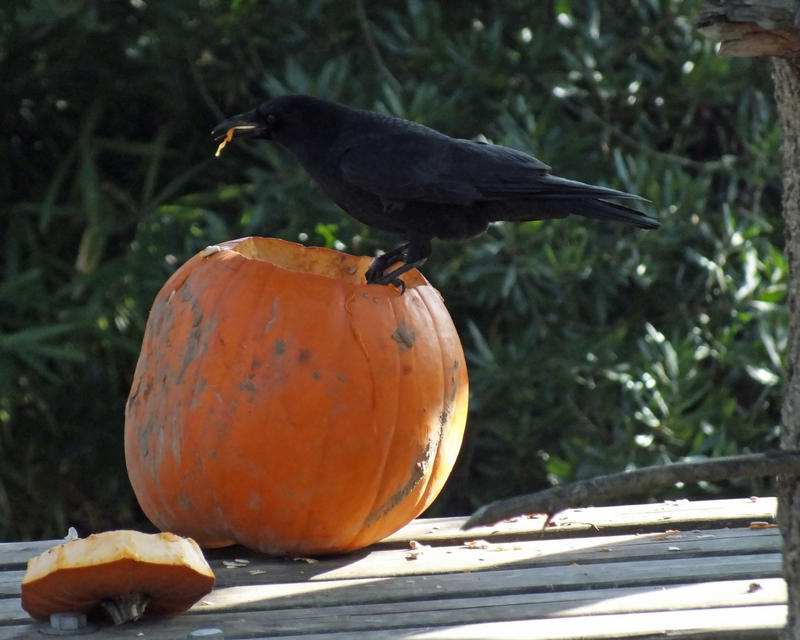
gut Mister Pumpkins
designing Jack-O-Lanterns
crow burps a seed
© Tournesol ’14


squirreling away,
losing layers of colours
still, beauty in loss
spared none
leaves have all fallen
pressed in Basho
Basho holds
whiffs of dried leaves
varied colours
© Tournesol ’14
[“Matsuo Basho (松尾 芭蕉, 1644–1694), born 松尾 金作, then Matsuo Chūemon Munefusa (松尾 忠右衛門 宗房),[2][3] was the most famous poet of the Edo period in Japan. During his lifetime, Bashō was recognized for his works in the collaborative haikai no renga form; today, after centuries of commentary, he is recognized as the greatest master of haiku (then called hokku).”] Read more here
 Tournesol dans un Jardin