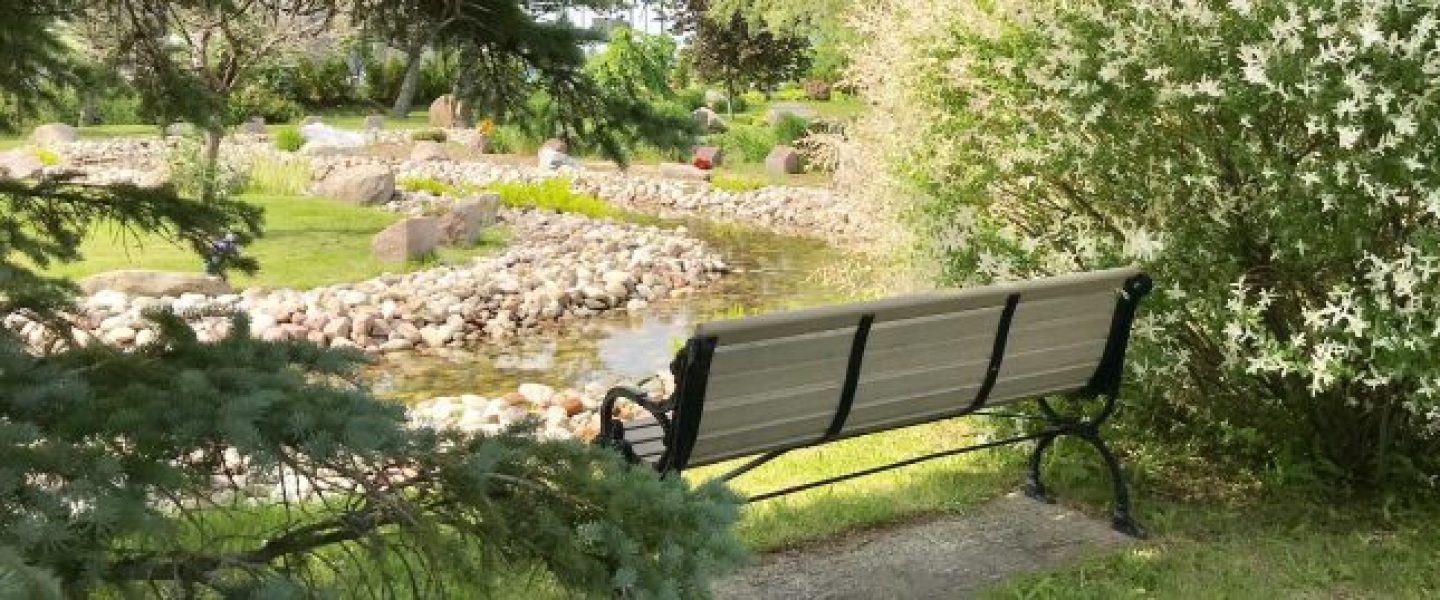
Our host at Carpe Diem Haiku Kai presents us with a photo (above) to inspire our muse and imagination. A troiku is a new form of haiku created by our host.
Whenever she feels mystical shifts in her mind’s eye she simply allows images to tell their own story.Dusting off old narratives, a surge of waves of old and new dance together playing “catch-me-if-can” until they marry and lock onto a fresh canvas waiting for the artist’s inspiration…
thoughts linger
draped in cobwebs
quieting the mind
thoughts linger
weightless joy
makes her smile
draped in cobwebs
secrets of the night
lie in wait
quieting the mind
rhythmic waves
reaching nirvana
~
Aw the mind! offers such sweet passages to explore
I had started to research and drafted a post for this prompt but that was two days ago and pfffft, I lost it all. Returning to the drawing board, I found a poem by Issa Kobayashi who I truly love his work. His last line in haiku often end with a nice surprise and sometimes with a bit of humour. I am sharing some of his bio here that I found at the Poetry Foundation:
”
Kobayashi Issa
1763–1828
Japanese poet Kobayashi Issa, also known as Kobayashi Yataro and Kobayashi Nobuyuki, was born in Kashiwabara, Shinanao province. He eventually took the pen name Issa, which means “cup of tea” or, according to poet Robert Hass, “a single bubble in steeping tea.”
Issa’s father was a farmer. His mother died when he was young, and he was raised by his grandmother. His father remarried, and Issa did not get along well with his stepmother or stepbrother, eventually becoming involved in disputes over his father’s property. When Issa was 14, he left home to study haiku in Edo. He spent years traveling and working until returning to Kashiwabara in the early 1810s. In Kashiwabara, his life was marked by sorrow— the death of his first wife and three children, an unsuccessful second marriage, the burning down of his house, and a third marriage.
Issa’s haiku are as attentive to the small creatures of the world—mosquitoes, bats, cats—as they are tinged with sorrow and an awareness of the nuances of human behavior. In addition to haiku, Issa wrote pieces that intertwined prose and poetry, including Journal of My Father’s Last Days and The Year of My Life.”
The moon in August is sometimes called the Corn Moon or Cold Moon. Now this time of year when referring to the full moon, however, in Japan, they are referring to the autumn moon or harvest moon which I prefer to write about in September. I am really not ready to write that much about autumn…yet.
I remember travelling by car or by bus marveling at the full moon. It is sometimes on my left side and then my right side depending where I am driving and how many twists and curves I have taken. But when I am driving home alone late at night, somehow I don’t feel so alone. It is almost a sordid affair…like the man on the moon is keeping me company and only he and I exist until I get home.
Nearing the end of summer is such a busy and pleasant time of year. Fruits are still plentiful at the farmer’s market, we can smell the peaches, plums and first pickings from the apple orchard. Vegetables are in abundance and it is a time to make homemade ketchup, pickled beets and bread and butter pickles. Kitchens are filled with aromas and tiny hands reaching for a spoon to savour the fruits of our mother’s and grandmother’s labour.
harvesting season
golden honey on my tongue
taste of heaven
harvesting season
tart and crunchy Lobos
first apple pickings
golden honey on my tongue
mixed with lemon and ginger
GrandMaman’s potion
taste of heaven
after dinner digéstif
apricot brandy